
EXPLORE THIS PAGE

Filipino & Filipino-American Therapy in California
Culturally responsive therapy for Filipino and Filipino American teens, adults, couples, and families — in person in Pasadena and online throughout California.
Many of us grow up learning the importance of family, sacrifice, resilience, hard work, and caring for the people around us. Those values can be beautiful sources of strength. And sometimes, they can make it difficult to ask:
“What do I need?”
Maybe you're carrying anxiety, burnout, depression, grief, relationship struggles, family expectations, or questions about identity and belonging.
Maybe you're used to being the dependable one.
Maybe setting a boundary brings up guilt.
Maybe you're trying to honor your family while also building a life that feels like your own.
Or maybe nothing is obviously “wrong”—you just want a place where you don't have to explain every part of where you're coming from before talking about what you're going through.
Therapy can give us room for all of that.
“There is room for your Filipino-ness here — and room for the person you’re becoming too.”
Therapy can be a place where you don’t have to explain every part of where you’re coming from before talking about what you’re going through.
Kim Agramon (Agramon-Bai), AMFT, APCC · Table Family Therapy
CULTURALLY RESPONSIVE CARE
Why Might Working With a Filipino Therapist Feel Different?
Sometimes it can feel good to explain a little less.
Research suggests that Filipino and Filipino American experiences of seeking mental health support can be shaped by stigma, concerns about how seeking help may be perceived by others, cultural and family expectations, language, access to care, immigration and acculturation experiences, and preferences for turning first to family, friends, or community.
At the same time, experiences involving immigration, cultural identity, discrimination, intergenerational expectations, faith, and balancing multiple cultures can become part of our emotional lives.
That doesn't mean every Filipino has the same experience.
We don't.
And working with a Filipino therapist isn't about assuming that I already understand you because we share a cultural background.
It's about having room to say:
“This is part of my story too.”
And we get curious about what it means specifically for you.

FAMILY + EXPECTATIONS
Family Expectations & Finding Your Own Voice
For many of us, family is deeply important. So when therapy starts talking about things like “boundaries,” it can get complicated quickly.
Maybe saying no feels disrespectful.
Maybe making a decision your parents don't agree with brings up guilt.
Maybe you're used to putting other people's needs first.
Maybe you're the person everyone relies on.
Or maybe you've spent years trying to become the person your family hoped you would be—and you're starting to wonder what you actually want.
We don't have to choose between:
“I love my family.”
and
“I need something different.”
Both can be true.
In therapy, we can understand where these expectations came from, notice the patterns that keep you feeling stuck, and practice ways of communicating and setting boundaries that still feel connected to who you are.
The goal isn't to become less Filipino.
It’s about honoring what you want to keep while finding new ways forward.
Living Between Cultures
IDENTITY + BELONGING
Sometimes living between cultures can feel like having different versions of yourself.
There may be the person you are with family.
The person you are at work or school.
The person you are with Filipino friends.
The person you are around people who didn't grow up like you.
And sometimes we become very good at moving between those worlds, back and forth.
There can be a lot of growth in that. And sometimes there can also be grief.
Maybe you wonder where you fully belong. Maybe you've felt “too Filipino” in one space and “not Filipino enough” in another.
Maybe you grew up in the Philippines and moved to the United States later.
Maybe you were born here but grew up with Filipino values at home.
Maybe Tagalog feels like home. Maybe you understand Tagalog but don't speak much of it. Maybe you don't speak Tagalog at all.
There isn't one correct way to be Filipino or Filipino American.
We can make room for your version of it.
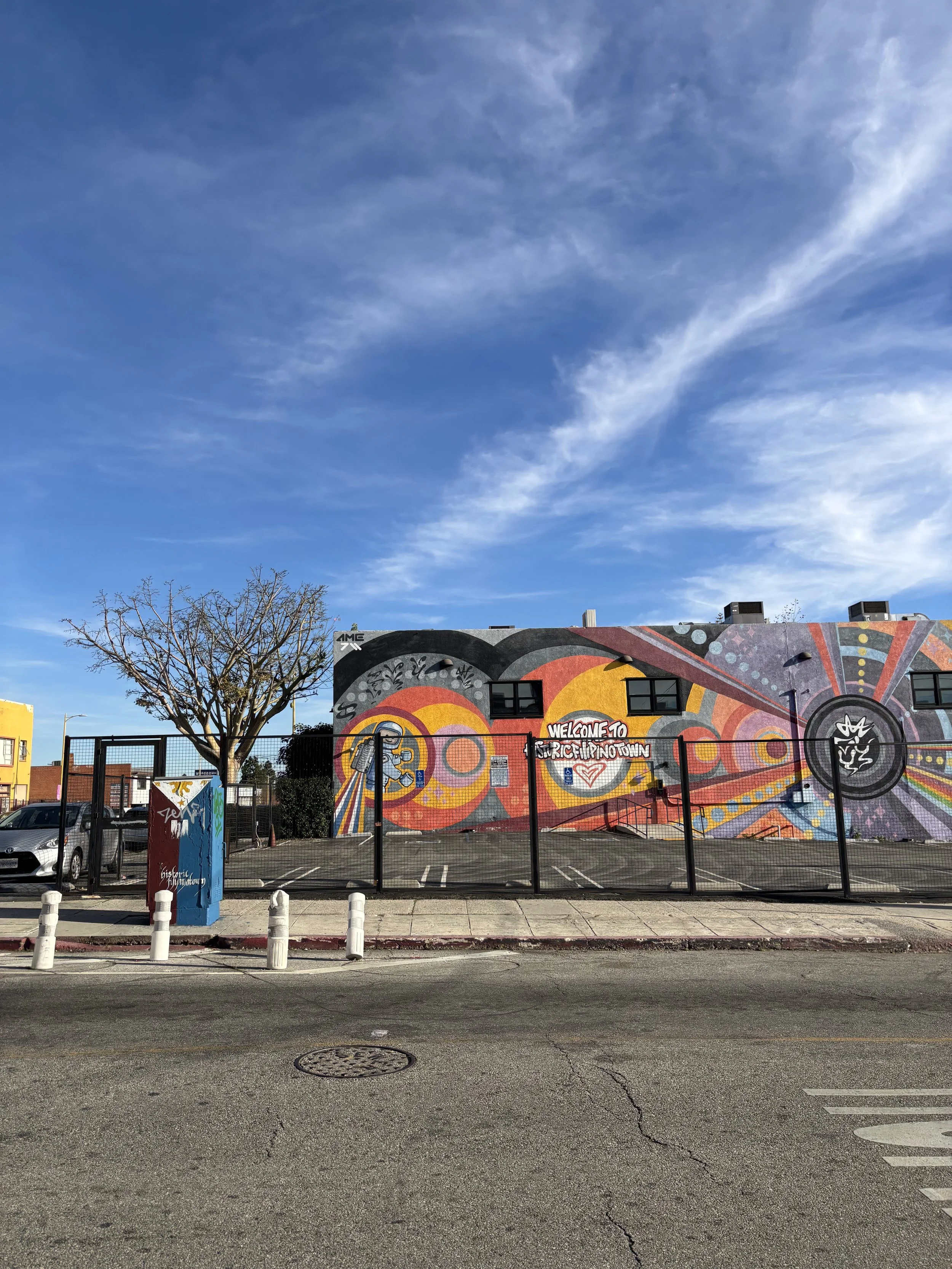
Looking for Therapy in Tagalog?
Sometimes there are things that just feel different when we say them in Tagalog. Maybe Tagalog is the language you feel most comfortable speaking. Maybe you understand Tagalog but mostly respond in English. Or maybe Taglish is simply how you naturally communicate.
In an Intercultural or Mixed-Culture Relationship?
Culture can show up in family expectations, traditions, communication, boundaries, faith, and what each partner learned a relationship should look like.
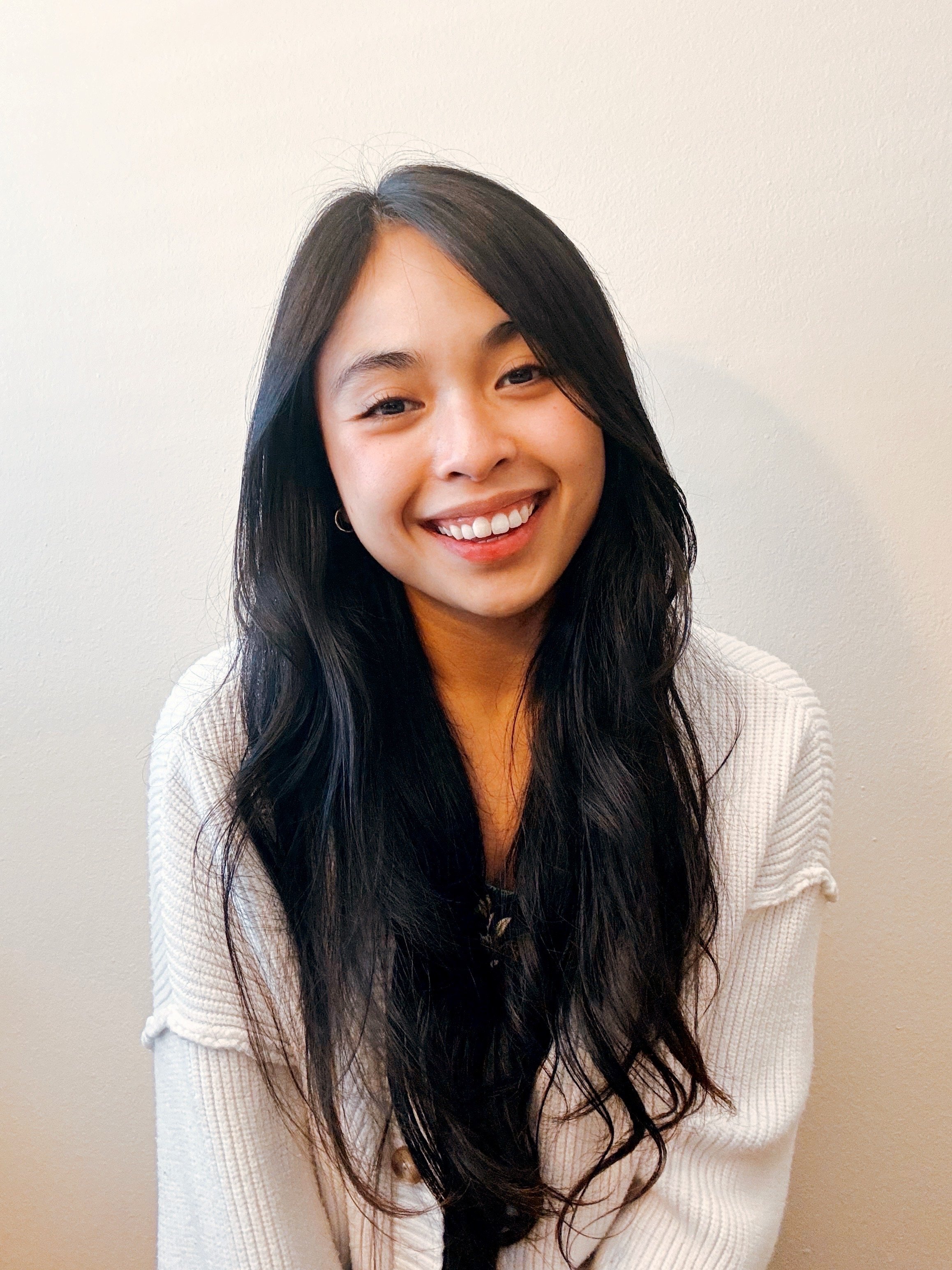
A Filipino Therapist in California
MEET KIM
Hi, I'm Kim Agramon (Agramon-Bai), AMFT, APCC. I provide in-person therapy in Pasadena and online therapy throughout California as part of Table Family Therapy.
I grew up in the Philippines and moved to the United States as an adult. So living between cultures, navigating transition and belonging, and holding joy and grief at the same time—some of these experiences are personal to me too.
I'm also married to a Chinese American, which has given me my own experience of building a relationship and family across different cultural backgrounds.
But sharing parts of your cultural experience doesn't mean I'll assume I already know your story. It would be an honor to learn your story.
I would love for therapy to be a place where you feel genuinely seen, heard, and understood. A place where your Filipino-ness doesn't have to be translated, defended, minimized, or put away. And a place where we can ask difficult questions about what you want to keep, what no longer fits, and who you're becoming.
Let's Understand the Pattern—and Practice Something Different
My approach is warm, relational, collaborative, and active.
I draw heavily from Restoration Therapy, which helps us understand what happens when painful feelings show up, what we begin telling ourselves in those moments, and how we react.
Instead of only asking: “Why do I keep doing this?,” we slow it down.
What am I feeling? What am I telling myself? What do I do when I feel that way? And what happens next?
Once we understand the pattern, we can practice something different—ways of regulating ourselves, communicating more honestly, setting healthier boundaries, and making choices that move us toward greater peace and connection.

How Filipino & Filipino American Therapy Can Help
WHAT WE CAN WORK ON
Reduce anxiety and overwhelm
Understand family expectations and guilt
Set healthier boundaries without immediately feeling like a bad child, person, partner, or family member
Work through people-pleasing
Process different forms of grief, loss, immigration, and major life transitions
Explore Filipino and Filipino American identity
Navigate living between cultures
Understand how past experiences influence present relationships
Develop greater emotional awareness
Strengthen communication
Build confidence in making your own decisions
Navigate relationships, dating, marriage, and family
Explore faith, values, or religious experiences
Develop a stronger sense of who you are and how you want to live
We’re not here to erase the values you grew up with or ask you to leave important parts of yourself behind.
Together, we can get curious about what you want to carry forward, what still feels meaningful to you, and what you may want to do differently as you build a life and relationships that feel true to who you are.
Why work with Table Family Therapy?
At Table Family Therapy, we believe there should be room for your whole story.
The parts of you that feel strong and the parts that feel stuck.
Your relationships, family, culture, identity, past experiences, and the things you're still trying to figure out—they all deserve a seat at the table.
Our approach is warm, relational, and collaborative. We don't want to simply talk about what's going wrong. Together, we can understand the patterns that keep showing up, make sense of what's underneath them, and practice new ways of responding that can lead to more connection and peace.
Kim Agramon (Agramon-Bai), AMFT, APCC, is part of the Table Family Therapy team and has a particular passion for providing culturally responsive therapy for Filipino and Filipino American clients.
Table Family Therapy offers in-person therapy in Pasadena and San Francisco and online therapy throughout California.
FAQs about Filipino & Filipino-American Therapy
-
No — The most important thing is finding a therapist you feel safe with and can trust.
For some Filipino and Filipino American clients, though, working with someone who shares some cultural context can make it easier to talk about family, identity, immigration, faith, expectations, language, or experiences that otherwise require a lot of explaining.
Sharing a culture doesn't mean I'll automatically understand everything about you.
We'll still get curious together.
-
Yes.
I'm fluent in Tagalog and English, and therapy can happen in Tagalog, English, or Taglish.
You can also switch between languages whenever it feels natural.
-
Yes.
Culture, family expectations, communication, faith, identity, and intergenerational experiences can all show up in relationships.
I also have a passion for working with intercultural and mixed-background couples.
-
Yes.
Sometimes we know intellectually that we're allowed to set a boundary or make our own decision—and still feel incredibly guilty doing it.
We can understand where that guilt comes from and practice ways of caring for yourself while staying connected to the people and values that matter to you.
-
You can still come.
Your family doesn't have to understand therapy for your experience to matter.
And we don't have to make your family the “bad guys” either.
We can understand their perspective while also making room for what you need.
If you are a teen or need family support with funding, I can work with you to talk about therapy with your parent, advocate for you, and help break down some misunderstandings/concerns about therapy.
-
Yes.
I provide online therapy throughout California and in-person therapy in Pasadena through Table Family Therapy.
-
You don't have to prove your Filipino-ness here.
Maybe you don't speak Tagalog.
Maybe you haven't been to the Philippines.
Maybe you grew up there.
Maybe you feel deeply connected to Filipino culture.
Maybe your relationship with “being Filipino” is complicated.
All of that is welcome.
You are welcome here.
-
Yes.
You don’t have to be Filipino to work with me. While I care deeply about creating a space where Filipino and Filipino-American clients can feel seen and understood, I work with people from many different backgrounds and life experiences. What matters most is finding a therapist who feels like a good fit for you and what you’re hoping to work on.
There is room for your Filipino-ness here—and room for the person you're becoming too.
In-person Filipino and Filipino American therapy is available in Pasadena, with online therapy available throughout California.
Therapy doesn't have to be a place where we separate you from your family, culture, faith, or community in order for you to grow.
We can honor where you come from.
We can understand what you've been carrying.
We can make room for the parts that hurt.
And we can practice new ways of relating to yourself and the people you love.
Resources:Gong, F., Gage, S.-J. L., & Tacata, L. A., Jr. (2003)., Helpseeking behavior among Filipino Americans: A cultural analysis of face and language.,Journal of Community Psychology, 31, 469–488.Martinez, A. B., Co, M., Lau, J., & Brown, J. S. L. (2020)., Filipino help-seeking for mental health problems and associated barriers and facilitators: A systematic review.,Social Psychiatry and Psychiatric Epidemiology, 55, 1397–1413.Tuazon, V. E., Gonzalez, E., Gutierrez, D., & Nelson, L. (2019)., Colonial mentality and mental health help-seeking of Filipino Americans., Journal of Counseling & Development, 97, 352–363.